I’ve been asked this question more times than I can count, usually by a guy staring at a pair of chinos in a store, phone in hand, googling “is khaki a color” because the tag says “stone” or “sand” and he’s not sure if that’s the same thing. Here’s the deal: yes, khaki is a color. But it’s also a fabric, a vibe, and one of the most versatile neutrals you can own. Let’s unpack it.
The Short Answer: Yes, Khaki Is a Color
Khaki sits right between tan and light brown on the spectrum. The word comes from the Persian “khak,” meaning dust, and that’s exactly what it looks like—a dusty, earthy tan. In the RGB world, it roughly translates to a mix of red, green, and blue that gives off a muted, warm neutral. In streetwear, it’s a staple because it works with almost everything: black, white, olive, navy, even some pastels. So if someone asks is khaki a color, the answer is yes—it’s a specific shade that’s been adopted across fashion for over a century.
The History of Khaki: From Military to Mainstream
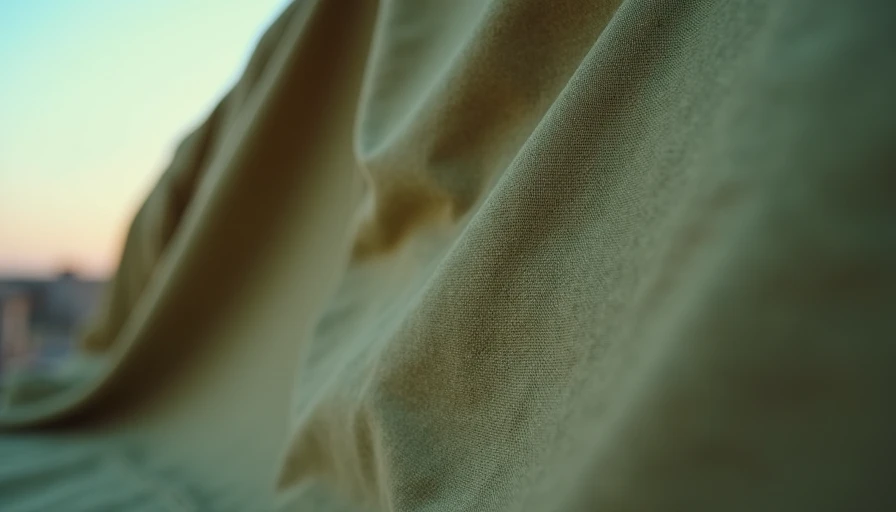
Khaki started as a military color. The British army in India dyed their white uniforms with coffee, curry powder, or mulberry juice to blend into the dusty landscape. By the late 1800s, khaki was standard issue for troops. When soldiers came home, they kept wearing the comfortable cotton trousers, and eventually brands like Dockers and Levi’s turned khaki into the office-casual uniform. In streetwear, that military heritage lives on in cargo pants, field jackets, and workwear brands like Carhartt and Dickies. The color brings a utilitarian feel to any outfit.
Shades of Khaki: Not All Khaki Is the Same
If you’ve ever bought two pairs labeled “khaki” and they looked totally different, you’re not crazy. There’s light khaki (almost beige), standard khaki (the classic tan), dark khaki (more brown), and olive khaki (greenish undertones). I’ve seen Uniqlo’s khaki chinos lean yellow in store lighting, while Carhartt’s “khaki” is a dead ringer for their “sand” color. When you’re shopping online, look at the actual swatch or search for “khaki” in reviews. A good rule: if the fabric description says “100% cotton twill” and the color is a neutral tan, you’re probably on the right track.
How to Wear Khaki in Streetwear
Khaki is a cheat code for lazy dressing. Here are three looks I’ve worn and seen work:
- **Casual throw-on**: Khaki cargo pants (try Dickies or Uniqlo, around $40–$60) + a black heavyweight hoodie + white sneakers. Done.
- **Slightly elevated**: Khaki chinos + an oversized white tee + a denim jacket (could be light or dark wash) + your favorite Jordan 1s or NB 990s.
- **All-in on neutral**: Khaki field jacket (like Carhartt’s Michigan Chore Coat, about $120) + cream hoodie + same tone pants. Head-to-toe tonal, looks intentional even if you didn’t try.
The key is to let khaki do the heavy lifting—it’s not a statement color, it’s the background that makes your graphic tee or bright sneakers pop.
Khaki vs. Olive vs. Tan: What’s the Difference?
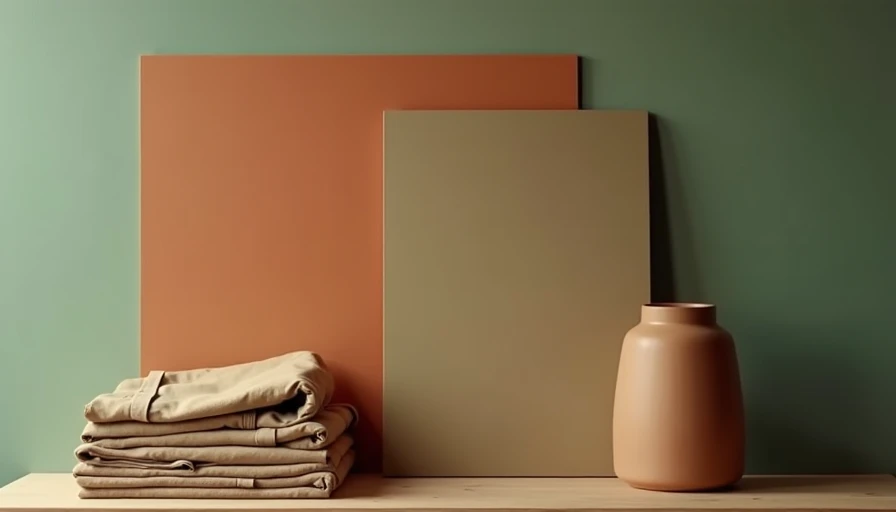
These three get mixed up all the time, so here’s a quick cheat sheet:
- **Tan**: Lighter and more yellow-brown. Think of a new leather belt.
- **Olive**: Green-brown, like the inside of an avocado. More military.
- **Khaki**: Dusty brown-tan, neutral, no strong yellow or green overtone.
In practice, many brands use “khaki” as a catch-all for any light brown trouser. But if you line them up, you’ll see the difference. For streetwear, olive leans more rugged, tan feels beachy, and khaki is the city-slicker neutral that works in skate shops and coffee shops alike.
Final Verdict: Is Khaki a Color Worth Wearing?
Absolutely. It’s one of those colors that never really goes out of style because it’s not a trend—it’s a foundation. Whether you’re building a minimalist wardrobe or layering oversized pieces, khaki gives you a reliable base. Just make sure you check the lighting before you buy. And if you find a pair that fits right in a shade called “khaki,” grab them. If you have to think about it too long, it’s not yours.
Frequently Asked Questions About Khaki
**Q: Is khaki a color or a fabric?**
A: Both. As a color, khaki is a dusty tan. As a fabric, it’s usually a cotton twill weave. The two meanings overlap because the original military uniforms were made from khaki-colored khaki fabric. When someone asks is khaki a color, they’re usually referring to the shade, not the material.
**Q: Can khaki be considered a neutral?**
A: Yes, absolutely. In fashion, neutral means it pairs well with other colors without clashing. Khaki does exactly that—it works with black, white, navy, olive, burgundy, and even brighter tones like orange or red. That’s why it’s a go-to for minimalist streetwear.
**Q: Why do some khaki pants look green?**
A: That’s often olive khaki or a brand’s interpretation. Pure khaki leans brown, but cheaper dyes or lighting can give it a greenish tint. If you want true khaki, go with known workwear brands like Carhartt, Dickies, or Dockers. Their “khaki” tends to be consistent.
**Q: How do I keep khaki from looking dirty?**
A: Khaki’s dusty nature means it hides dirt well, but it can look dingy if overwashed. Spot clean when possible, wash on cold with mild detergent, and hang dry to preserve color. If you wear it often, rotate with other pants to avoid wear marks.