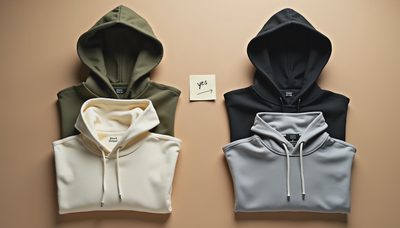
I bought a bad hoodie last year. $120. Thought it was a steal. The color was right—washed black, my weakness. The brand had a cool lookbook. I didn't check the cuffs.
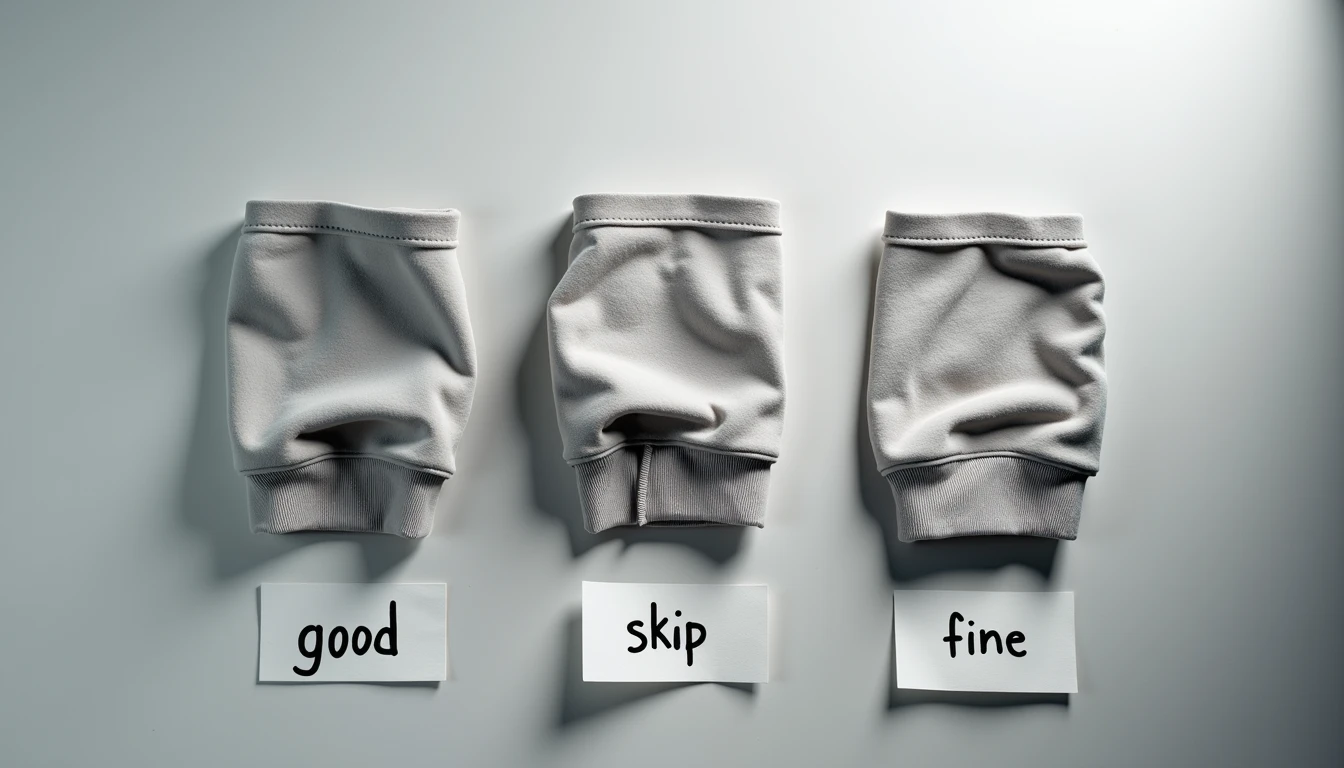
Three weeks later, the ribbing went loose. Not stretched. Just… sad. Like an old t-shirt collar that gave up. I donated it. Sophie asked why I was getting rid of something "so new." I didn't have a good answer.
That was the third time. After that, I made a rule.
Now I don't buy a hoodie until I check three things. Takes two minutes. Works for $40 hoodies and $200 ones.
1. The Cuffs and Hem
Pinch the cuff between your fingers. Stretch it sideways. Then let go.
If it snaps back right away, good. If it stays loose or takes a second to shrink back, skip it.
Same thing at the bottom hem. Pull it away from the fabric. Good hoodies have tight ribbing that holds its shape. Cheap ones get wavy after two washes. I have a Nike hoodie from 2022 that still fits the same. I have a brand I won't name that looked like a towel after a month.
Also look at the stitching where the cuff meets the sleeve. Is it straight? Can you see loose threads hanging off? If yes, that hoodie won't last through winter.
2. The Inside (Flip It)
Everyone checks the outside. Turn it inside out. That's where the truth lives.
Two things I look for:
First, loose fibers. Rub your hand over the inside fabric. If little balls of cotton come off on your palm, it's cheap fleece. It'll pill after a few wears. You'll look like you slept in it. Not in a cool way.
Second, the seams. Look at the shoulder and armpit. Good hoodies use flat seams or double-stitching. Bad ones use a single line of thread that pops the first time you reach for something high. I have a scar from a broken seam? No. But I've been annoyed.
The best hoodies in my closet—the ones I've had for years—all have clean inside seams. No fraying. No loose threads. Just tight, even stitching.
3. The Weight and Hang
This one is harder to explain. But you can feel it.
Pick up the hoodie by the shoulders. Let it hang.
A good hoodie keeps its shape. The shoulders don't collapse. The front doesn't fold into itself like a paper bag. It hangs clean, even empty.
Bad hoodies look flat. They don't have structure. When you put them on, they drape weird—too much fabric in the back, not enough in the front. You end up pulling at it all day.
Weight matters too. I'm not saying heavy = good. Some light hoodies are great for summer nights. But there's a difference between lightweight and cheap. Cheap feels hollow. Like there's nothing between your hand and the other side.
Grab the fabric at the waist. Good hoodies have some resistance. Not stiff. Just present. Like it's actually there.
One more thing
I check the tag. Not for the brand. For the materials.
100% cotton is fine. Cotton-polyester blends are fine too—sometimes better for not shrinking. But if I see more than 30% polyester, I put it back. That hoodie will trap sweat and smell weird after one wear. Trust me.
Also, if the tag says "dry clean only" on a hoodie? No. That's not a hoodie. That's a costume.
I still have that bad hoodie. The $120 one. I keep it in the back of my closet. Sophie asked why I don't just throw it away. I said I use it for comparison.Truth is, I forgot to return it. Then the window closed. Now it's just there. A reminder.
Three things. That's it. Next time you're in a store, try it. You'll save money. You'll stop buying hoodies you hate after a month. And you won't end up with something sad in the back of your closet.