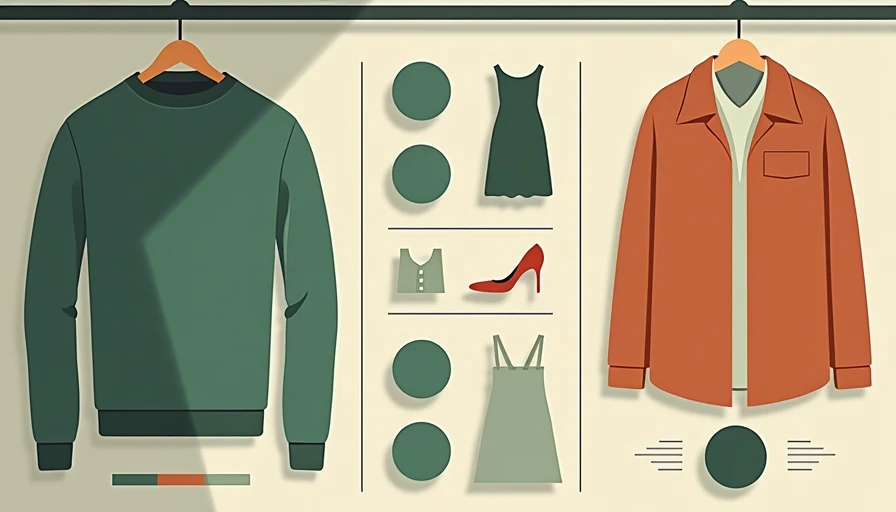
A good **knit and shirt** combo is one of those style moves that makes you look like you know what you're doing without turning your closet into a full-time project. It is simple, clean, and way more useful than most trend-heavy buys. If you wear sneakers, cargos, denim, trousers, or even gym-to-coffee basics, this pairing works. I come back to it constantly because it gives you texture, shape, and a little polish without feeling stiff. In buyer terms, it is a low-risk, high-rotation setup. In normal-person terms: it just makes getting dressed easier.
Why the knit and shirt combo always works
There is a reason this pairing keeps showing up every fall, spring, and random cool summer night. A shirt gives structure. A knit softens everything and adds depth. Together, they create contrast without making the outfit noisy. That's the sweet spot.
The easiest version is an Oxford shirt under a crewneck knit. Oxford means a slightly beefier cotton weave, so it holds shape and does not collapse under the sweater. A fine-gauge knit, which just means a tighter and smoother knit texture, looks cleaner and layers better under jackets. If you want more of a streetwear angle, swap in a striped poplin shirt and a boxier cotton knit with relaxed shoulders.
What I like most is that a knit and shirt setup works across price points. A $35 shirt and a decent mid-range knit can look better than a logo-heavy top that costs triple. You are paying for fit, fabric feel, and how the layers sit together, not hype. If you have to think about it too long, it's not yours.
Fit is where most guys get it wrong
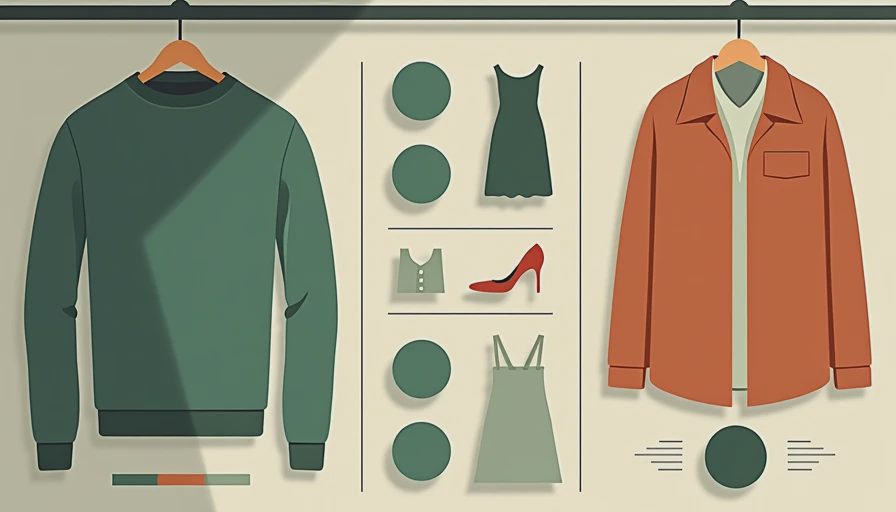
Most bad layering comes down to proportions, not taste. The shirt is either too long, the knit is too tight, or both pieces are fighting for space. Start with the shirt first. You want enough room to move, but not so much fabric that it bunches at the waist. Then add a knit that sits over it cleanly.
A few easy rules:
- The shirt hem can peek out a little, but not like a skirt.
- The collar should sit naturally, not get crushed under the knit.
- Shoulder seams matter more than almost anything else.
- If the knit pulls at the chest or sleeves, size up.
- If the shirt balloons under the sweater, try a straighter or shorter cut.
For a more current fit, go slightly relaxed instead of slim. Not oversized-for-the-sake-of-it. Just enough room so the layers breathe. That is why brands like Uniqlo, J.Crew, Abercrombie, and COS keep landing for basics: they usually understand everyday proportions better than overdesigned trend pieces.
Best fabrics, colors, and pairings to buy
If you are building this out from scratch, do not overcomplicate it. Start with neutral colors and reliable fabrics. Merino wool is great because it is lightweight, breathable, and smooth over a shirt. Cotton knits work well too, especially if you run warm or live somewhere that barely has winter. Lambswool has more texture and character, but it can feel bulkier.
Three pieces worth your money this week:
- A light blue Oxford shirt
- A heather gray crewneck knit
- A navy or charcoal knit for rotation
That small lineup covers a lot. Light blue and gray is basically cheat-code territory. White shirt and black knit is sharper, but slightly less forgiving if the fit is off. Cream knit over a striped blue shirt looks great with faded denim and old-school sneakers. Olive knit over a white Oxford works if you want something a little less obvious.
Avoid super loud graphics in the shirt if the knit is the focus. Texture beats noise here. A clean knit and shirt combo should feel intentional, not busy.

How to style knit and shirt outfits without looking overdressed
This is where guys usually overcorrect. They hear "shirt" and think they need dress shoes and tucked-in everything. You do not. The best knit and shirt outfits sit in that middle lane: presentable, relaxed, wearable all day.
Try these easy combinations:
- Gray crewneck knit + white Oxford + straight blue denim + Adidas Sambas
- Navy knit + striped poplin shirt + olive cargos + New Balance 990s
- Cream cotton knit + pale blue shirt + black trousers + simple leather sneakers
- Charcoal knit polo layer over a tee-style shirt + loose chinos + suede Wallabees
The point is balance. If the top half leans clean, let the bottom half stay easy. Denim, cargos, fatigues, and pleated trousers all work. Outerwear matters too. A chore coat, bomber, or simple wool overcoat sits nicely over a knit and shirt stack. Skip anything too bulky unless the knit is thin.
Also, do not force a tie unless the situation actually calls for one. This combo looks best when it stays a little undone.
Smart shopping tips before you buy
When I look at a knit and shirt pairing in store, I check three things fast: hand feel, recovery, and shape. Hand feel is just how the fabric feels when you touch it. Recovery is whether the cuff, collar, or hem bounces back instead of stretching out. Shape is whether the piece keeps its line on the hanger and on-body.
For shirts, look for collars that hold without feeling cardboard-stiff. For knits, check ribbing at the cuff and hem. If those areas already look tired in-store, they are not getting better at home. I would rather buy one solid knit for $70 to $120 than two flimsy ones that lose shape after a few washes.
A few reliable places to start are Uniqlo for value, J.Crew for classic color options, COS for cleaner modern silhouettes, and Todd Snyder if you want to spend more on fabric and finish. You do not need everything premium. One great layer can carry three average ones.
The real win with knit and shirt dressing is repetition. Once you find a combo that works, wear it hard. Swap colors, rotate pants, change sneakers, done. That is how good style actually works in real life. Not more stuff. Better combinations.